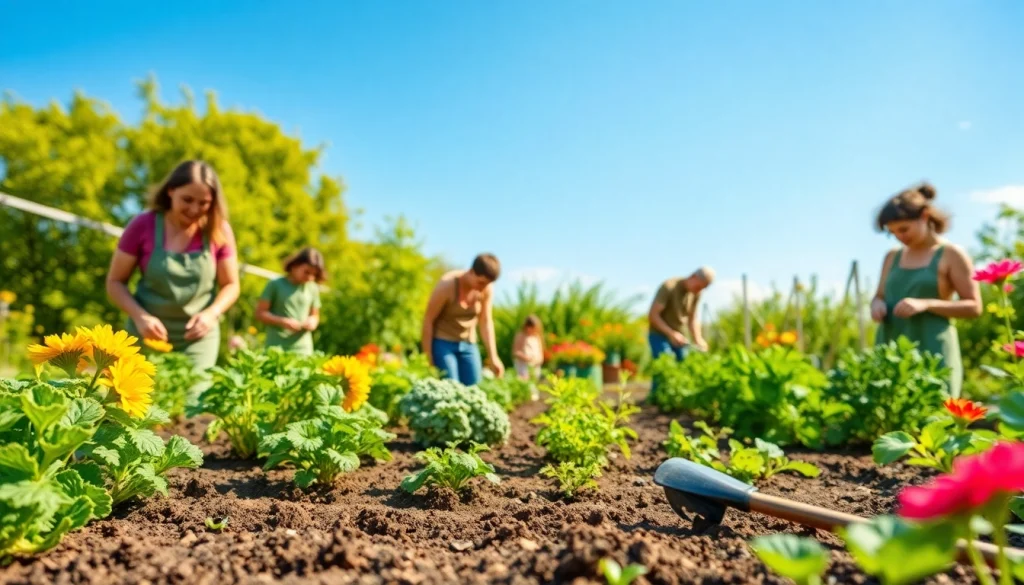
Getting Started with Gardening
Gardening can be an incredibly rewarding hobby, one that not only beautifies your living space but also produces food and enhances mental well-being. Whether you are a novice exploring your green thumb or someone looking to refine your skills, understanding the fundamentals of gardening is critical. From selecting your space to knowing what tools you need, a strong start can significantly influence your gardening journey. For more resources and tips, you can explore Gardening communities and guides that can help every step of the way.
Understanding Your Gardening Space
Before you plant your first seed, it’s essential to assess your gardening space. This step involves considering several critical factors:
- Sunlight: Observe how much sunlight your chosen gardening area receives throughout the day. Most vegetables and flowers require at least 6-8 hours of direct sunlight daily.
- Soil Quality: Understanding your soil type—whether it’s sandy, clay, or loamy—can dictate what plants will thrive and how you should amend your soil.
- Space: Evaluate the available space for your garden. Are you working with a small balcony, a backyard, or a community plot? Each setting requires a different approach.
- Climate: Different plants thrive in different climatic conditions. Knowing your hardiness zone can help determine what crops are suitable for your area.
Essential Tools for Every Gardener
Having the right tools makes gardening easier and more enjoyable. Here’s a list of essential tools to consider:
- Gloves: Protect your hands from dirt, thorns, and irritation.
- Hand Trowel: This versatile tool is perfect for digging holes and transplanting seedlings.
- Pruners: Pruning shears are essential for maintaining plant health by trimming dead or overgrown branches.
- Watering Can or Hose: Adequate watering is vital, so choose a tool that suits your garden size.
- Garden Fork and Rake: These tools help in soil preparation and garden maintenance.
Choosing the Right Plants for Your Area
Choosing the right plants is integral to successful gardening. Below are some helpful tips:
- Native Plants: Opt for plants native to your region. They are well-adapted to local soil and climate, requiring less water and maintenance.
- Seasonal Plants: Consider what can grow best in the current season. For instance, cool-season crops like lettuce thrive in early spring.
- Pests and Disease Resistance: Research plants that are known to resist common pests and diseases in your area.
Soil and Preparation
Testing Soil Quality for Gardening
Before you can improve your soil, you must first understand its current quality. Testing your soil can reveal nutrient levels, pH balance, and organic matter content. Here’s how to perform a soil test:
- Collect Samples: Gather soil samples from different areas of your garden to get a comprehensive understanding of the soil quality.
- Use a Testing Kit: Purchase a soil testing kit or send samples to a lab for more in-depth analysis.
- Analyze Results: Use the findings to determine what amendments are necessary to optimize your soil health.
Improving Soil Health Naturally
Building healthy soil is crucial for thriving plants. Here are natural ways to enhance your soil health:
- Composting: Create compost using kitchen scraps, yard waste, and other organic materials to enrich your soil.
- Crop Rotation: Avoid planting the same crops in the same area each year to prevent soil depletion.
- Cover Crops: Plant cover crops such as clover or rye to add nutrients back into the soil and suppress weeds.
Preparing Your Garden Bed for Planting
Once you’ve tested and improved your soil, it’s time to prepare your garden bed:
- Clear the Area: Remove any weeds, rocks, or debris from the area where you plan to plant.
- Till the Soil: Till or turn the soil to aerate it and ensure even distribution of nutrients.
- Level the Bed: Create level beds to ensure even water distribution and plant growth.
Watering and Sunlight Needs
Understanding Water Requirements for Your Plants
Watering effectively is critical for plant growth. Here are some fundamental concepts:
- Frequency: Most plants require watering at least once a week; however, this can vary depending on the season and plant type.
- Methods: Employ watering methods such as drip irrigation for efficiency or soaker hoses for even moisture distribution.
- Signs of Stress: Keep an eye on your plants for signs of overwatering (yellowing leaves) or underwatering (wilted leaves).
Optimizing Sunlight Exposure in Gardening
Sunlight is essential for photosynthesis and overall plant growth. To optimize sunlight exposure:
- Plant Placement: Position taller plants and structures to the north of shorter ones to avoid shading them.
- Pruning: Regularly prune and thin plants to allow adequate sunlight to reach all parts of your garden.
Creating a Watering Schedule
Establishing a watering schedule helps maintain consistent moisture levels:
- Assess Your Plants’ Needs: Different plants have varying water requirements, so tailor your schedule accordingly.
- Time of Day: Water early in the morning or late in the afternoon to minimize evaporation.
- Adjust Based on Weather: Modify your schedule during heavy rainfall or drought conditions accordingly.
Maintaining Your Garden
Weed Control Strategies for Successful Gardening
Weeds can compete with your plants for nutrients and water. To control weeds effectively:
- Mulching: Apply a layer of organic mulch around your plants to suppress weed growth.
- Hand Pulling: Regularly hand-pull weeds before they flower and set seed.
- Weed Barrier Fabric: Consider using landscape fabric as a barrier against weed emergence.
Pest Management Tips for Vegetable Gardens
Keeping your garden free from pests requires diligence and strategy:
- Integrated Pest Management: Utilize a combination of biological, cultural, and chemical methods for pest control.
- Companion Planting: Some plants naturally deter pests; consider planting them alongside your vegetables.
- Regular Monitoring: Check your plants routinely for signs of pest infestations and act quickly if detected.
Seasonal Care and Maintenance Practices
Different seasons require different maintenance tasks to keep your garden healthy:
- Spring: Begin planting, prepare soil, and apply mulch.
- Summer: Regularly water, monitor for pests, and ensure plants are protected against heat stress.
- Fall: Harvest fruits and vegetables, and consider planting cover crops.
- Winter: Prepare your garden for dormancy by cleaning up debris and protecting plants from frost.
Harvesting and Enjoying Your Garden
Identifying When to Harvest Your Crops
Knowing the right time to harvest can significantly impact the flavor and quality of your produce:
- Visual Indicators: Look for color changes and size indicators; for example, tomatoes should be fully colored and firm when ready.
- Tactile Tests: Gently squeeze fruits to assess ripeness by feel; they should give slightly when they are ready.
- Time-Based Guidelines: Refer to seed packets or gardening books for specific harvest times for each crop.
Storing and Preserving Your Garden’s Produce
Once harvested, it’s essential to store and preserve your produce correctly:
- Refrigeration: Many vegetables stay fresh longer if stored in the refrigerator.
- Canning: For long-term preservation, consider canning fruits and vegetables using safe methods.
- Freezing: Flash freezing can help maintain texture and flavor for many vegetables.
Enjoying the Benefits of Your Gardening Efforts
The fruits of your labor can be enjoyed in many ways:
- Fresh Cooking: Use your fresh produce to create delicious meals at home.
- Sharing with Friends: Consider sharing your harvest with friends and family to spread the joy of gardening.
- Community Involvement: Participate in local farmers’ markets or community gardens to connect with other gardeners.