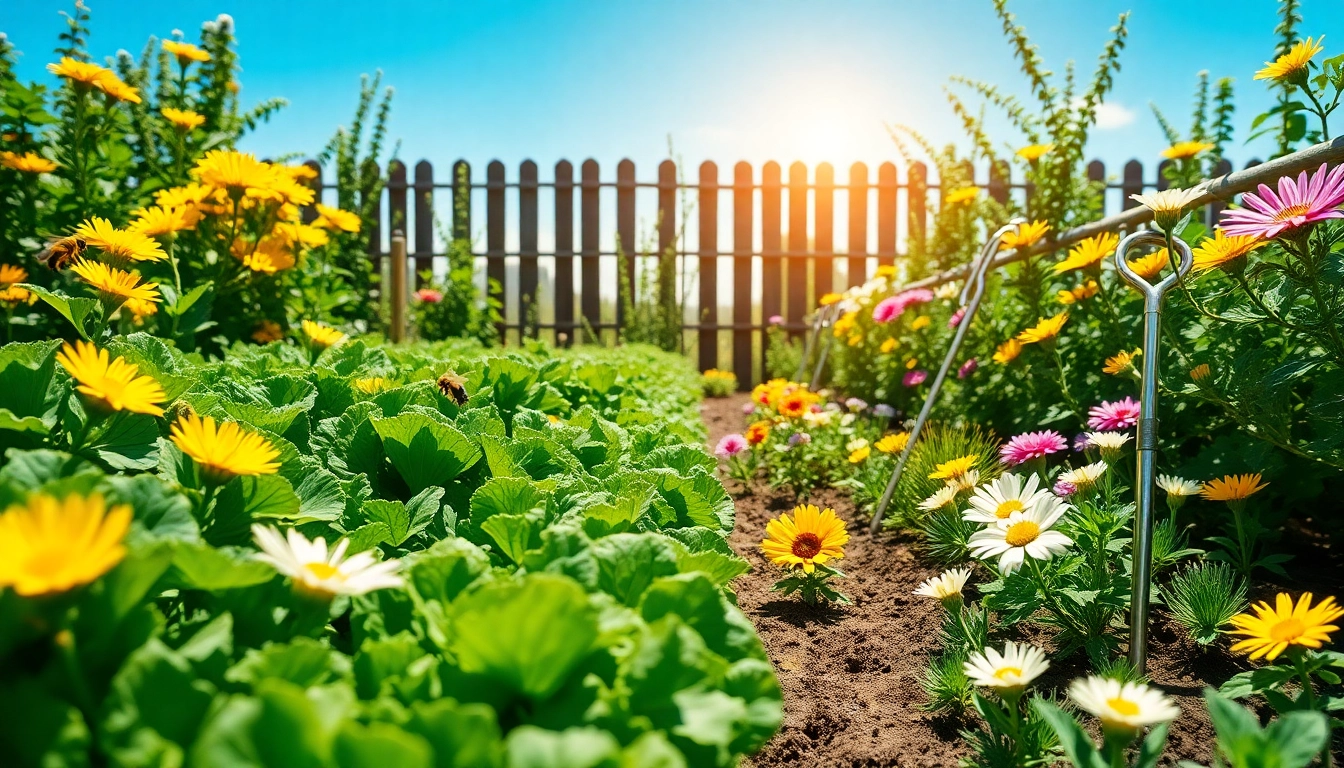
Getting Started with Gardening
Gardening is a rewarding pursuit that not only enhances your outdoor space but also fosters a connection with nature. Whether you’re looking to grow fresh vegetables, colorful flowers, or serene landscapes, diving into Gardening offers countless benefits and pleasures. This comprehensive guide will help you embark on your gardening journey, from understanding your gardening space to harvesting your rewards.
Understanding Your Gardening Space
Before you plant your first seed, it’s essential to understand the unique characteristics of your gardening space. This involves assessing factors such as soil type, sunlight exposure, and climate.
- Soil Type: Different plants thrive in different soil types, including sandy, clay, and loamy soils. Conduct a soil test to determine pH and nutrient levels so you can amend your soil accordingly.
- Sunlight Exposure: Observe your garden throughout the day to assess which areas receive full sun, partial shade, or full shade. Most vegetables and flowering plants require at least six hours of sunlight.
- Climate and Hardiness Zone: Familiarize yourself with your local climate and hardiness zone, as this will determine which plants can thrive in your area. The USDA Plant Hardiness Zone Map can be a useful resource.
Selecting the Right Plants for Your Climate
Choosing the right plants is crucial for a successful garden. Consider your local climate when selecting plants. In general, native plants tend to require less maintenance and are better suited to local conditions. Additionally, think about the following:
- Seasonal Growth: Some plants, such as tomatoes and peppers, flourish in warm weather, while others, like broccoli and kale, prefer cooler temperatures.
- Growth Habit: Consider plants that complement each other in terms of height and spread. Taller plants can provide shade for shorter ones.
Preparing Your Soil for Planting
Soil preparation is one of the most critical steps in gardening. Healthy soil supports vibrant plant growth. Here’s how to prepare your soil effectively:
- Clear the Area: Remove weeds, stones, and debris from your planting area.
- Till the Soil: Loosen the soil using a garden fork or tiller to improve aeration and drainage.
- Add Organic Matter: Mix in compost or well-rotted manure to enrich the soil with nutrients.
- Test for pH: Use a soil testing kit to check the pH levels and amend as necessary with lime or sulfur to create the optimal growing environment.
Core Principles of Effective Gardening
To cultivate a vibrant garden, understanding the core principles of effective gardening is essential. These include proper watering techniques, suitable sunlight exposure, and fertilization methods that promote healthy plant growth.
Watering and Irrigation Techniques
Watering is a critical aspect of gardening that directly impacts plant health. Proper watering techniques can prevent issues like root rot or disease:
- Deep Watering: Water your plants deeply but less frequently to encourage deep root growth. An inch of water per week is often enough, depending on the weather.
- Drip Irrigation: Consider implementing a drip irrigation system for efficient water delivery directly to the roots, minimizing evaporation.
- Timing: Water early in the morning or late in the afternoon to reduce evaporation and allow leaves to dry before nightfall, preventing fungal diseases.
Sunlight Requirements and Location
Sunlight is vital for photosynthesis, which is how plants create energy. Understanding the sunlight needs of your plants will help you position them correctly:
- Full Sun: Requires at least 6 hours of direct sunlight—ideal for vegetables like tomatoes, peppers, and eggplants.
- Partial Shade: Thrives in 3 to 6 hours of sun—great for leafy greens like lettuce and spinach.
- Full Shade: Needs less than 3 hours of sunlight—suitable for ferns and certain groundcovers.
Fertilization Methods for Healthy Growth
Fertilizers provide essential nutrients that plants need to grow and thrive. The key is knowing how and when to fertilize:
- Types of Fertilizers: Use slow-release granules for a steady supply of nutrients or liquid fertilizers for immediate effects.
- Organic Options: Consider organic fertilizers like compost, fish emulsion, or seaweed extract, which enhance soil health along with providing nutrients.
- Timing: Fertilize in early spring as plants begin to grow, and again in mid-summer for heavy feeders.
Pest Control in Gardening
Managing pests is essential to maintaining a healthy garden. Knowing how to identify pests, using organic solutions, and implementing preventative measures can significantly reduce pest-related issues.
Identifying Common Garden Pests
Common garden pests include aphids, spider mites, caterpillars, and beetles. Understanding their behavior and signs of infestation can help you intervene early:
- Aphids: Small, soft-bodied insects that cluster on new growth and can cause wilting and stunted growth.
- Spider Mites: Tiny arachnids that create fine webs and thrive in dry conditions; they cause leaf discoloration.
- Caterpillars: The larval stage of moths and butterflies, they can cause significant leaf damage.
Organic Pest Control Solutions
Using organic pest control methods helps protect your garden’s ecosystem. Here are some effective strategies:
- Beneficial Insects: Introduce ladybugs and lacewings, which eat aphids and other pests.
- Naturally Derived Pesticides: Neem oil and insecticidal soap can deter pests without harming beneficial insects.
- Trap Crops: Planting sacrificial crops to lure pests away from your main crops can help minimize damage.
Preventative Measures for a Healthy Garden
Preventing pest infestations is often more effective than trying to eliminate them once they appear:
- Crop Rotation: Change the types of plants you grow in a specific area each year to disrupt pests’ life cycles.
- Proper Hygiene: Keep your garden clean and remove any dead plant material that can harbor pests.
- Companion Planting: Certain plants can repel pests or attract beneficial insects; for example, marigolds can help deter nematodes.
Advanced Gardening Techniques
If you’ve mastered the basics, you might be ready to explore advanced gardening techniques that can enhance your gardening experience and yield.
Companion Planting Benefits
Companion planting involves grouping plants together for mutual benefits. This technique can improve soil health, deter pests, and enhance flavors:
- Plant Relationships: Certain plants can enhance each other’s growth, such as tomatoes and basil, which not only taste great together but also improve each other’s health.
- Pest Control: Some plants can repel pests naturally; for example, garlic can deter aphids when planted near roses.
- Resource Sharing: Deep-rooted plants can access nutrients deeper in the soil, while shallow-rooted plants can absorb surface nutrients, creating a balanced ecosystem.
Growing Vegetables Vertically
Vertical gardening is a method that conserves space and increases yield by growing plants upward rather than outward:
- Benefits: Maximizes limited space, reduces soil-borne diseases, and can create visually striking displays.
- Structures: Use trellises, cages, and arches to support climbing plants like tomatoes, peas, and cucumbers.
- Maintenance: Ensure adequate sunlight and air circulation to avoid disease and promote healthy growth.
Understanding Seasonal Gardening Cycles
Recognizing seasonal gardening cycles is vital for success. Different crops thrive in different seasons:
- Cool-Season Crops: Plant crops like kale and carrots in early spring or late summer for fall harvests.
- Warm-Season Crops: Grow crops like peppers and tomatoes after the last frost in spring.
- Succession Planting: Stagger plantings every few weeks to extend harvest periods and ensure a steady supply throughout the season.
Harvesting and Maintaining Your Garden
Harvesting your garden is one of the most rewarding experiences. Knowing when and how to harvest, along with maintaining your garden, is crucial for ongoing success.
Best Practices for Harvesting
Proper harvesting techniques can make a significant difference in the quality and longevity of your crops:
- Timing: Harvest fruits and vegetables at their peak ripeness for the best flavor and nutrition.
- Tools: Use sharp, clean tools to prevent damage to the plants and avoid the spread of diseases.
- Storage: Handle harvested produce gently and store them in a cool, dry place to extend freshness.
Post-Harvest Care and Storage
Proper post-harvest care is essential to maintain the quality of your produce:
- Washing: Wash vegetables, but avoid soaking them to prevent loss of nutrients.
- Pack Carefully: Use breathable containers to avoid moisture buildup, which can lead to rot.
- Preservation Methods: Consider freezing, pickling, or canning your excess harvest to enjoy it throughout the year.
Planning for Next Season’s Gardening
Reflecting on your gardening season and planning for the next year is key to improvement:
- Evaluate Successes: Analyze which crops thrived and which didn’t; take notes on what worked and what didn’t.
- Soil Health: Consider crop rotation and any soil amendments needed for future planting.
- Seasonal Plans: Create a seasonal plan outlining planting dates, crop rotations, and pest management strategies for the next year.