
Understanding Sustainable Fashion
Defining Sustainability in the Fashion Industry
Sustainable fashion is defined by clothing, shoes, and accessories that are designed, manufactured, distributed, and used in a way that is environmentally friendly and socially responsible. At its core, sustainable fashion strives to minimize negative impacts on the environment while promoting ethical labor practices. This entails a variety of approaches, from using sustainable materials and processes to ensuring fair wages and safe working conditions for those involved in the production chain. The concept encourages consumers to think carefully about their purchases, pushing the industry towards greater accountability.
The Benefits of Sustainable Practices
Adopting sustainable practices in fashion can yield multiple benefits, ranging from environmental to social. Here are a few key advantages:
- Environmental Protection: By minimizing waste and reducing the carbon footprint, sustainable fashion helps preserve ecosystems and biodiversity.
- Resource Conservation: Sustainable practices often lead to more efficient use of resources, such as water and energy, which are vital for maintaining ecological balance.
- Support for Local Communities: Many sustainable brands focus on local economies, leveraging local artisans and craftspeople, which helps preserve traditional skills and empower communities.
- Improved Consumer Awareness: Sustainable fashion encourages transparency and education, enabling consumers to make informed choices about the products they buy.
Challenges in Implementing Sustainable Fashion
While the benefits of sustainable fashion are significant, the journey towards it is fraught with challenges. These include:
- High Costs: Sustainable materials and processes often come with a higher price tag, making it challenging for brands to remain competitive while ensuring fair wages.
- Lack of Standardization: Without clear definitions of what constitutes “sustainable,” consumers can be confused by marketing jargon and greenwashing.
- Consumer Behavior: Changing long-standing consumer habits away from fast fashion to sustainable choices requires significant effort in education and advocacy.
The Art of Hand-Knitting
History and Tradition of Hand-Knitted Garments
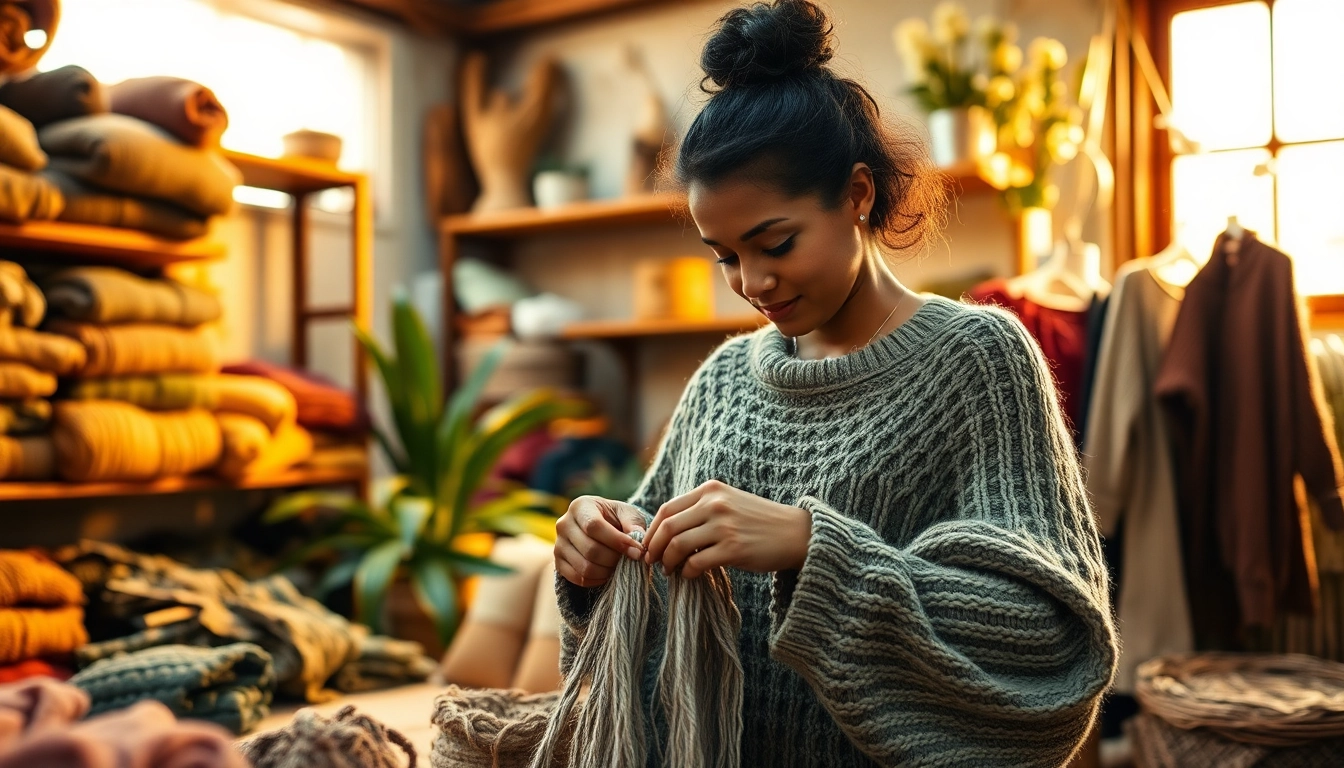
Hand-knitting has a rich history that dates back centuries, originating in various cultures around the globe. Initially seen as a practical skill, hand-knitting became a form of artistic expression and craftsmanship. In the past, each piece carried not just functional warmth but also individualized designs, often reflecting local culture and heritage. Today, hand-knitting is celebrated not only for its unique designs but also for its environmentally friendly processes, as it typically uses natural fibers and requires minimal machinery.
Techniques and Materials Used in Hand-Knitting
Hand-knitting techniques vary widely, including intricate patterns, colorwork, and various stitch types. Common materials used in hand-knitting include:
- Wool: Known for its warmth and durability, wool comes in various forms like Merino, alpaca, and cashmere.
- Organic Cotton: This lightweight and soft material is popular for summer garments, providing breathability and comfort.
- Silk: A luxurious material that adds a smooth texture and lustrous finish to garments.
Caring for Hand-Knitted Clothing
To ensure the longevity of hand-knitted garments, proper care is essential. Here are some tips:
- Washing: Always hand wash in cool water and use mild detergents to avoid damaging fibers.
- Drying: Lay flat to dry instead of hanging, as this helps maintain shape and prevents stretching.
- Storing: Keep in a cool, dry place, ideally folded to prevent creases or distortions in shape.
Fashion Brands Leading the Way
Identifying Core Values of Sustainable Brands
When evaluating sustainable fashion brands, certain core values can serve as guiding principles. These include:
- Transparency: Brands should openly communicate their sourcing, production methods, and labor practices.
- Ethical Labor Practices: Fair wages and safe working conditions are non-negotiable in sustainable fashion.
- Environmental Responsibility: Utilizing renewable resources, minimizing waste, and reducing carbon emissions are essential commitments.
Case Studies of Successful Sustainability Initiatives
Several fashion brands have successfully implemented sustainability initiatives, setting benchmarks in the industry:
- Innovative Recycling Programs: Some brands have introduced programs to encourage customers to return used clothing in exchange for discounts on future purchases, promoting a circular economy.
- Community Engagement: Brands that engage with local artisans help preserve traditional techniques and empower communities.
Consumer Trends Towards Sustainable Fashion
Current market research indicates a significant shift towards sustainability among consumers. Shoppers are increasingly prioritizing quality, ethical production, and environmentally friendly practices, leading brands to adapt their strategies and bring sustainable alternatives to the forefront.
Natural Dyes in Fashion
The Process of Creating Natural Dyes
Natural dyes are made from organic materials like plants, roots, and minerals. The process often involves:
- Gathering Raw Materials: Sources include items like flowers, fruits, nuts, and even soil.
- Dye Extraction: The materials are boiled or soaked to extract their color, sometimes requiring the addition of mordants to help fix the dye.
Benefits of Using Natural Dyes
Natural dyes offer many benefits compared to synthetic counterparts:
- Eco-Friendly: They are biodegradable and non-toxic, posing less risk to the environment.
- Unique Colors: Natural dyes often produce rich, nuanced colors that cannot be replicated synthetically.
How to Incorporate Natural Dyes into Your Wardrobe
Consumers wishing to include natural dyes in their wardrobe can look for brands that champion these methods as a commitment to sustainability and artistry. Wearing garments dyed with natural elements not only reduces chemical exposure but also supports eco-conscious practices.
Making Conscious Fashion Choices
How to Identify Sustainable Fashion Products
To make conscious fashion choices, consumers should look for certain indicators of sustainability:
- Certifications: Look for brands with certifications from recognized environmental organizations.
- Material Composition: Research the materials used and favor those with lower environmental impact.
Supporting Ethical Brands
Supporting ethical brands means shopping at companies that practice what they preach. Contributing to businesses that are committed to environmental social responsibility helps shape the future of fashion towards sustainability.
Building a Sustainable Wardrobe
Building a sustainable wardrobe involves curating pieces that are versatile, timeless, and ethically sourced. A careful selection of high-quality garments that resist trends leads to a more enduring and responsible fashion statement. Incorporating secondhand and vintage pieces can also enrich your wardrobe and promote sustainability.
For those interested in exploring sustainable fashion, a visit to https://www.ound-ound.com can provide inspiration and showcase a range of handcrafted pieces that emphasize eco-conscious practices and beautiful craftsmanship.
